

Smartphone prices in India have risen by about 15% in 2026, pushing the average selling price to a record ₹30,000 in April–June. The main cause is a global memory chip shortage. Chipmakers are selling more of their RAM and storage to AI data centres, leaving less supply, at higher prices, for phones. Here’s what’s happening, who is affected most, and how buyers and retailers can respond.
Why are smartphone prices rising in India in 2026?
Smartphone prices are rising because memory chips have become far more expensive. AI data centres are buying huge volumes of memory, and chipmakers are prioritising those higher-paying orders. Phone brands now pay much more for the RAM and storage inside every handset, and almost all of them have passed that cost on through repeated price hikes.
The AI memory squeeze
Every smartphone needs two kinds of memory: RAM to run apps, and storage to hold photos, videos and files. The same factories also make memory for the servers that power AI tools. As AI companies expand, they are buying memory on a massive scale.
IDC analysts estimate memory chip prices are now about 4.5 times what they were a year ago. Market tracker TrendForce expected contract prices for conventional DRAM to rise another 13–18% in the July–September 2026 quarter alone.
How phone brands responded
Memory is one of the most expensive parts of a phone. When it gets costlier, a brand can raise prices, cut specifications or accept lower margins. In 2026, almost every major brand in India raised prices, many more than once. According to Counterpoint Research, these hikes added up to an average increase of around 15% by the end of June.
How much have phone prices gone up?
The numbers from India’s main market trackers tell a consistent story:
- Average price: The average smartphone sold in India in April–June 2026 cost about ₹30,000, a record and 14.4% higher than a year earlier (IDC).
- Fewer phones sold: India shipped about 64 million smartphones in the first half of 2026, the lowest first-half total in five years.
- Market value still grew: Because people who do buy are spending more, the total value of the market rose even as unit sales fell.
Which phones are most affected?
Entry-level phones have been hit hardest. Phones priced under about ₹8,500 (US$100) earn brands very little margin, so rising memory costs have made many of them unprofitable to sell. Shipments in this band fell about 74% year on year in April–June 2026, shrinking from nearly 16% of the market to under 5%.
Brands with a strong focus on budget phones have seen sharp declines. Samsung and Apple, with broader portfolios and bigger scale, have held their ground better.
Will smartphone prices come down soon?
Not in the near term. Memory supply is expected to stay tight while demand from AI keeps growing. IDC expects shipments in the second half of 2026 to fall by more than 15%, taking full-year volumes to roughly 128–130 million units. Industry analysts also expect smaller festive discounts than in previous years, as brands protect already thin margins.
Should you buy a phone now or wait?
For most buyers, waiting for prices to drop may not pay off this year. A better approach is to lower the effective cost:
- Use your old phone as an exchange. A fair exchange value can cover a meaningful share of the new price.
- Compare EMI options. More than half of smartphones sold through retail stores in India are now bought on finance. Check the total cost, including any processing fees.
- Pick storage wisely. Higher-storage variants carry more of the memory price rise. Buy what you will actually use.
- Look for longer software support. A phone that gets updates for more years stays useful longer, which spreads the higher price over more time.
What rising prices mean for mobile retailers
When prices rise and fewer phones are sold, each sale matters more. Three things make the biggest difference.
Pricing customers can trust
Customers check prices on their phones before and during a store visit. A retailer who can match fair market prices keeps credibility and repeat business.
Financing at the counter
When a phone costs ₹25,000 instead of ₹20,000, the monthly instalment often decides the sale. Staff who can explain EMI options clearly convert more visitors into buyers.
Stock discipline
With brands changing prices every few weeks, holding the wrong stock ties up cash. Tracking what sells in your area, and reordering quickly, protects margins.
How SmartDukaan helps retailers handle rising prices
SmartDukaan partners buy directly from all major brands on a single platform, with transparent pricing and instant margins. That removes extra layers of costs being added in a year when every rupee counts.
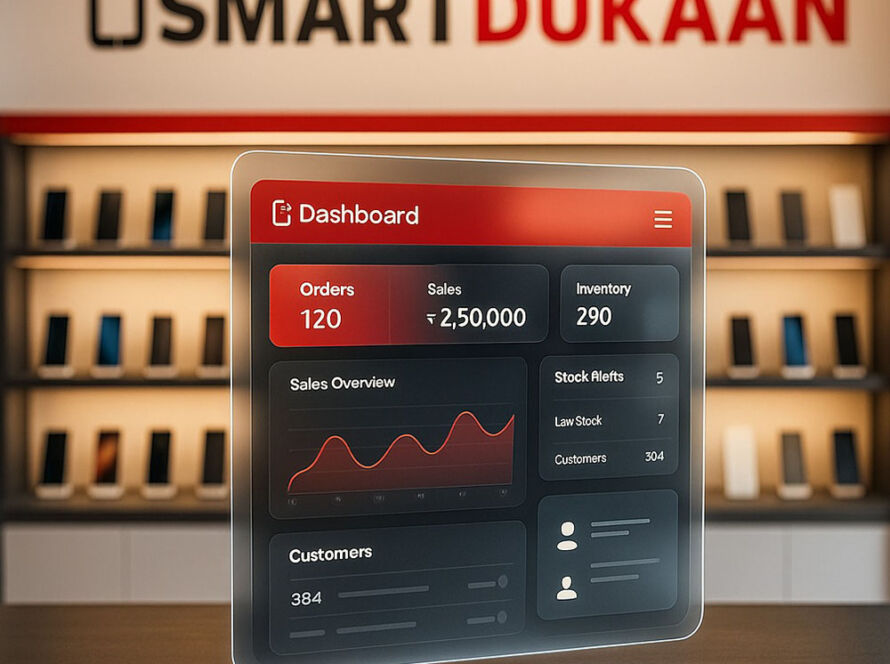
The SmartDukaan partner dashboard flags slow-moving stock before it ties up cash, and finance options at the counter help price-conscious customers buy. With no sales targets, partners can stock for their own customers. For more on why customers are returning to physical stores this year, read why offline mobile stores are winning again in India.
Want to see how SmartDukaan partners are handling 2026? Join our free webinar, every Tuesday from 3 to 5 PM.
Frequently asked questions
How much have smartphone prices increased in India in 2026?
Smartphone prices in India rose by about 15% on average by the end of June 2026, according to Counterpoint Research. IDC reported the average selling price reached a record ₹30,000 in April–June 2026, up 14.4% from a year earlier.
Why are memory chips so expensive in 2026?
AI data centres are buying memory chips in huge volumes, and chipmakers are prioritising those orders. This leaves less supply for smartphones and other consumer devices, which pushes prices up for phone brands.
Are budget smartphones disappearing in India?
They are becoming much rarer. Shipments of phones under about ₹8,500 fell around 74% year on year in April–June 2026, and their share of the market fell to under 5%, because brands can no longer make them profitably.
Will there be big smartphone discounts during Diwali 2026?
Discounts are expected to be smaller than in past years because brands are already dealing with higher costs. Exchange offers, no-cost EMIs and bank offers are likely to play a bigger role than straight price cuts.
Is it better to buy a smartphone on EMI in 2026?
EMI spreads a higher price into smaller monthly payments, which is why more than half of phones sold in stores are now financed. Before choosing, compare the total amount you will pay, including any processing fees.


3 Comments