

Offline mobile stores in India are winning back customers in 2026. Physical stores accounted for about 58% of smartphone shipments in April–June 2026, up from under 54% a year earlier. Higher phone prices, easier financing at the counter and smaller online discounts are pulling buyers back to their local phone shop. Here’s why it’s happening and what it means for retailers.
Are customers going back to offline mobile stores in India?
Yes. After years of online growth, the share of smartphones sold through physical stores in India is rising again. With phones costing more than ever, buyers want to see a device in person, get financing on the spot and deal with someone they trust. Offline retail’s share of smartphone shipments rose to 58.1% in April–June 2026.
How big is the shift from online to offline?
According to IDC, offline channels made up 58.1% of India’s smartphone shipments in April–June 2026, compared with 53.6% in the same period of 2025. Consulting firm Deloitte puts offline at around 55–60% of the market for the quarter.
That is a meaningful change. For most of the last decade, flash sales, online-only launches and festive mega-discounts pulled buyers to e-commerce apps, and many local retailers worried about their future. In 2026, the momentum has shifted.
Why are smartphone buyers choosing physical stores?
Higher prices mean bigger decisions
The average smartphone in India now costs about ₹30,000, a record high. At that price, a phone is not an impulse click. Customers want to hold it, compare it with another model and ask questions before they spend.
Financing is easier in person
More than half of smartphones sold through retail stores in India are now bought on finance, through NBFC loans or card EMIs, according to Counterpoint Research. In a store, someone can explain the terms, check eligibility on the spot and hand over the phone the same day.
The online price gap has narrowed
Rising memory chip costs have pushed brands to raise prices and cut back on deep discounts. When the price difference between online and offline is small, service and trust decide where people buy. (Read more on why smartphone prices are rising in 2026.)
Exchange and after-sales support
Customers are keeping phones longer, so many arrive with an older device to trade in. Getting a fair exchange value, transferring data and setting up a new phone are all simpler at a counter. And if something goes wrong later, a local retailer is someone they can go back to.
Is online shopping for phones finished?
No. Online still accounts for roughly four in ten smartphone sales, and big e-commerce festive sales remain popular. What has changed is how people shop. Most customers now research online, compare prices on their phones and then decide where to buy. The stores that win are the ones that match online prices closely and add what an app can’t: advice, instant financing, exchange and support.
What does a modern mobile store need to win?
The customer returning to offline retail is better informed than before. To win them, a store needs:
- Range across brands. Access to the latest launches from all major brands, not just one or two.
- Prices that hold up. Customers will check their phones in your store. Your prices need to stand up to that.
- Instant financing and exchange. These are often what closes the sale.
- A modern look. A clean, well-lit, branded store builds confidence before a word is spoken.
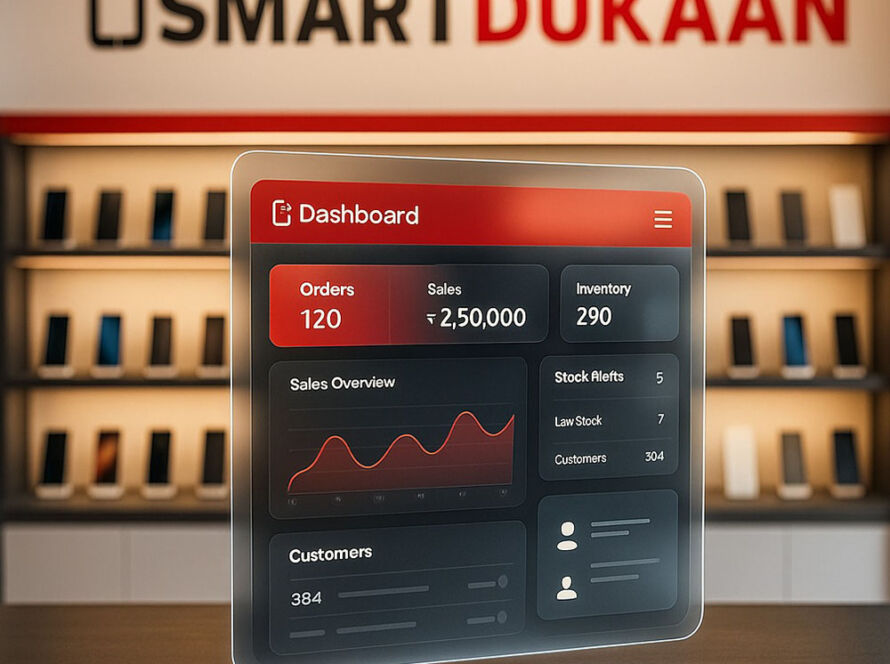
- Digital tools behind the counter. Real-time inventory, quick reordering and local promotions keep the store running smoothly.
Is a mobile shop a good business in 2026?
It can be, with the right model. The shift to offline is a real opportunity, but the market also has challenges. Overall unit sales are down, prices change frequently and holding the wrong stock is costly. Independent retailers who juggle several distributors often struggle with margins and working capital.
This is why many shop owners are joining organised networks. A franchise gives them brand access, pricing, technology and marketing support that is hard to build alone. Read how the SmartDukaan franchise network has grown, or hear how retailers describe the change.
How SmartDukaan helps local phone stores win
SmartDukaan was built for this moment. Partners get direct access to all major brands through a single platform, with transparent pricing and instant margins, and no sales targets. A SmartDukaan franchise gives your store a modern identity, while our digital tools handle inventory, orders and promotions.
You keep what makes a neighbourhood store valuable: the trust of your customers. With the festive season underway, see our festive season 2026 sales tips for mobile retailers.
Thinking about upgrading your store? Join our free webinar, every Tuesday from 3 to 5 PM, to see how SmartDukaan works.
Frequently asked questions
What share of smartphones are sold offline in India?
In April–June 2026, offline stores accounted for 58.1% of smartphone shipments in India, according to IDC. That was up from 53.6% in the same quarter of 2025.
Is it better to buy a smartphone online or offline in India?
Both have advantages. Online can offer convenience and occasional deep discounts. Offline stores let you try the phone, get financing and exchange on the spot, and return to the same shop for help after the sale.
Why are customers going back to mobile stores?
Higher phone prices make buyers more careful, financing is easier to arrange in person, and online discounts have become smaller. Exchange offers and after-sales support also favour local stores.
Is opening a mobile shop a good business in 2026?
Demand is shifting towards physical stores, which creates an opportunity. But unit sales are falling and prices change often, so access to brands, fair pricing and good stock management matter more than ever. Many owners join a franchise network for that support.
How much does a SmartDukaan franchise cost?
SmartDukaan franchise investments start at around ₹7 to ₹10 lakh, covering store setup, technology, inventory and marketing support. Visit the Be a Partner page for current details.


1 Comment